

Date updated: 2026-09-03
Is Silver the Next Gold?
TL;DR – Is Silver the Next Gold?
- “Is silver the next gold?” is a comparison question, not a prediction.
- Silver ≠ gold: silver is both a precious metal and an industrial input; whereas gold is more of a monetary/store-of-value reference.
- Inflation and interest rates matter through purchasing-power concerns and the opportunity cost of holding a non-yielding asset.
- Silver is more volatile than gold because the market is smaller. It’s tied to industrial cycles, and it often attracts more short-term trading.
- Comparisons between gold and silver increase during economic uncertainty, inflation worries, and market volatility.
- Silver can be seen as an alternative or complement to gold because both are tangible and widely traded – but silver’s industrial demand can make it behave differently.
Today, silver is influenced by many of the same forces as gold, but it behaves differently because it serves two roles: as both a precious metal and a key industrial material. While investors still watch inflation, interest rates, the strength of the U.S. dollar, and buying and selling activity, silver prices are also driven by industrial demand—particularly from sectors like electronics and solar energy—as well as mining supply. Because of this dual role, silver tends to be more volatile than gold, with prices rising and falling alongside broader economic and manufacturing cycles. Gold, by comparison, is generally viewed as a more stable store of value, while silver sits at the intersection of investment demand and industrial growth.
So, what exactly causes silver prices to move? Here are the key factors that influence the price of silver and why they matter.
Table of Contents
- Is Silver the Next Gold?
- What does it mean?
- How are they different in market?
- Market trends that influence Silver
- How does economic growth effect silver?
- Silver and Inflation – How is it discussed?
- How do interest rates impact silver?
- Why is silver more volatile than gold?
- Industrial demand and silver price
- When do comparisons between gold and silver increase?
- Is Silver an alternative to gold?
- Differences for Investors to Consider?

Is Silver the Next Gold?
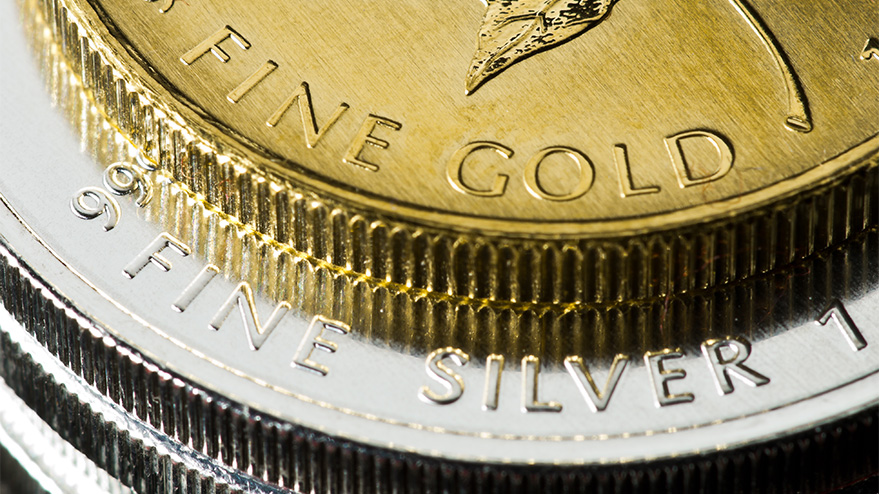
Silver is sometimes framed as “the next gold,” but it plays a different role because it is both a precious metal and a widely used industrial input. Instead of assuming it will follow gold, people typically watch trends that influence each metal in different ways: inflation and interest-rate expectations, strength of the U.S. dollar, market stress or risk sentiment, and industrial indicators for silver such as manufacturing activity and solar-related demand. They also track relative pricing measures like the gold-to-silver ratio as a descriptive comparison, but this is not a prediction or recommendation
Is Silver the Next Gold?
Silver is sometimes framed as “the next gold,” but it plays a different role because it is both a precious metal and a widely used industrial input. Instead of assuming it will follow gold, people typically watch trends that influence each metal in different ways: inflation and interest-rate expectations, strength of the U.S. dollar, market stress or risk sentiment, and industrial indicators for silver such as manufacturing activity and solar-related demand. They also track relative pricing measures like the gold-to-silver ratio as a descriptive comparison, but this is not a prediction or recommendation
What does it mean?
Essentially, people want to know whether silver could play a similar role to gold as an investment. It compares the two metals in terms of how they’re perceived – especially as stores of value – rather than claiming silver will match gold’s price, status, or performance. In other words, it’s shorthand for: Could silver become a more widely used hedge? Could it attract the kind of attention gold usually gets?
The phrase often appears when people are re-evaluating where to put money, and they’re evaluating silver with the same criteria as gold: durability, scarcity, and tangibility. It can also imply that silver may feel “undervalued” relative to gold, or that it might benefit if investors broaden their focus beyond traditional safe havens. Still, the wording is rhetorical – it invites discussion, not certainty.
The phrase often comes up in a handful of conversations like:
Economic uncertainty:
When inflation worries, recession fears, or currency concerns rise, precious metals come up as potential hedges.
Market volatility:
In choppy markets, investors search for assets that may diversify portfolios or hold value differently than stocks.
Renewed interest in physical/tangible assets:
During times of low trust in financial systems or “paper” assets, people may prefer owning something physical, like coins or bars.
How are they different in market?
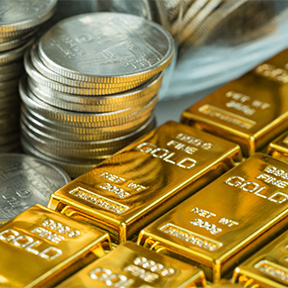
Silver and gold share similarities in that they’re both precious metals, and are both highly valuable commodities. However, there are plenty of differences between the two materials as investments.

| FACTORS | GOLD | SILVER |
|---|---|---|
| PRIMARY ROLE | Monetary or reserve asset | Financial asset and industrial material |
| DEMAND DRIVERS | Investments, banks, jewelry | Investments plus industrial and technological demand |
| VOLATILITY | Tends to be lower | Tends to be higher |
| MARKET SIZE | Larger | Smaller |
| FACTORS | GOLD | SILVER |
|---|---|---|
| PRIMARY ROLE | Monetary or reserve asset | Financial asset and industrial material |
| DEMAND DRIVERS | Investments, banks, jewelry | Investments plus industrial and technological demand |
| VOLATILITY | Tends to be lower | Tends to be higher |
| MARKET SIZE | Larger | Smaller |
Market trends that influence Silver
Silver is influenced by a mix of macroeconomic trends, industrial activity, and market positioning – often showing up as identifiable “trend clusters” rather than one single driver.
Is the economy expanding or contracting?
Silver is tied more closely to the business cycle than gold because of its industrial uses. Stronger growth can lift demand from manufacturing and technology, while slowdowns can reduce industrial consumption and weaken price support – sometimes even if broader “safe-haven” narratives are present.
What’s the trend in industrial and clean-energy demand?
Expanding production in electronics and increased rollout of solar and electrification projects can strengthen silver’s industrial demand profile. Trends such as faster renewable deployment or rising electronics output can contribute to tighter physical markets, while pauses in those sectors can cool demand.
How is the U.S. dollar moving?
Silver is typically priced in U.S. dollars, so a stronger dollar can make silver more expensive for non-dollar buyers. This can reduce demand and put downward pressure on the price. And, when the U.S. dollar gets weaker, demand for silver can increase and prices are supported.
Are investors buying or selling (ETFs, futures, sentiment)?
Flows into or out of silver ETFs, changes in futures positioning, and shifts in risk appetite can amplify price moves. Because silver is a relatively smaller market and can be less liquid than some major assets, investor positioning can contribute to sharper swings in either direction.
Are supply constraints or surpluses developing?
Mining output, recycling, and refining capacity influence whether the market feels tight or well-supplied. Disruptions, declining ore grades, or rising production costs can constrain supply, while higher recycling or steady mine output amid weakening demand can loosen conditions and pressure prices.
How does economic growth affect silver?
Silver is often discussed alongside gold, but it behaves differently because a large share of silver demand is industrial. When economic growth accelerates, factories typically produce more goods, construction activity can expand, and investment in infrastructure and technology may increase. That usually translates into greater use of silver in applications such as electronics, electrical contacts, soldering, medical equipment, and energy-related technologies. Basically: more economic activity can mean more real-world consumption of silver, which can support demand.
Because silver is an input in many products, its demand can be sensitive to changes in business activity and spending. During periods of stronger growth, companies may increase orders for components and raw materials, pushing up overall industrial demand for silver. Conversely, when growth slows or a recession hits, industrial output may drop, demand can soften, and silver may face downward pressure – especially if that decline outweighs any “safe-haven” buying from investors.
Silver is also influenced by manufacturing cycles: inventory build-ups, production slowdowns, and shifts in export orders can all affect near-term demand. If manufacturers anticipate higher sales, they may ramp production and stockpile inputs, supporting silver consumption. If they expect weaker demand, they may cut production and draw down inventories, reducing purchasing. This cyclical nature can make silver more volatile than purely investment-driven assets, as it responds to both macroeconomic trends and shorter-term industrial rhythms.
Silver and Inflation – How is it discussed?
Inflation means the general price level of goods and services is rising, so each unit of currency buys less than before. During periods of inflation, there tends to be more conversations about silver because people look at how different assets behave when purchasing power is changing. This isn’t a guarantee of what silver will do, but instead provides context about why these conversations happen.
Inflation expectations and interest rates often shape demand for precious metals. When investors think purchasing power is eroding, silver can benefit from “hard asset” interest. Conversely, when real yields rise and cash or bonds look more attractive, silver may face headwinds as the opportunity cost of holding non-yielding assets increases.
Silver is a physical commodity, so it’s frequently mentioned alongside other real assets (like gold, energy, or industrial metals). The basic idea in these discussions is that tangible goods can feel more “real” when money is losing value. Some people view silver as a potential hedge, while others point out that outcomes vary by inflation episode and broader economic conditions.
Since silver is priced in U.S. dollars globally, inflation-driven policy changes that strengthen the dollar can make silver more expensive for buyers using other currencies. A weaker dollar can make silver more affordable internationally, which can add “support” (upward pressure) to demand.
Inflation can also coincide with strong growth – or with a slowdown if higher prices and rates cool spending. Since silver has major industrial uses, discussion often weighs inflation hedging narratives against the possibility of reduced industrial demand.
How do interest rates impact silver?
Generally, when interest rates are higher, the price of silver goes down. During periods of high interest rates, cash investments can earn more, making silver, an asset that can’t earn interest, seem less attractive. With fewer people buying, the price of silver decreases.
In contrast, when interest rates go down, silver can seem more appealing, which may increase the demand of the metal, driving the price of silver higher. Investments like cash or bonds don’t earn as much during periods of low interest rates, which can make silver more attractive to investors.
Why is silver more volatile than gold?
Silver prices often move more sharply than gold for a few reasons. First, the silver market is generally smaller, so large trades can have a bigger effect on prices. Second, silver has a strong industrial side: it is used in electronics, solar panels, and other products, so expectations about economic growth can quickly change demand. Gold demand is more concentrated in jewelry and investment, so it is less tied to manufacturing cycles. Third, silver can attract “risk-on” buying during rallies and heavy selling during downturns, which can amplify moves. Finally, because silver is cheaper per ounce, it can draw more short-term trading interest, adding to rapid price swings.
Industrial demand and silver price
Unlike gold, which is dominated by investment and jewelry demand, silver has a substantial industrial footprint. That means silver prices often respond not only to investor sentiment, but also to what’s happening in factories and supply chains. When industrial demand strengthens, it can shrink the available market for silver, supporting prices; when it weakens, it can reduce consumption and add downward pressure.
Silver is valued for its high electrical conductivity and durability, which makes it useful in electronics (connectors, switches, circuit components) and in many clean-energy applications. Solar panels are a commonly cited example: when solar adoption increases, the associated need for silver-containing components can rise as well. Broader growth in electronics, automotive systems, and data infrastructure can also lift demand, linking silver to technology adoption trends rather than purely “safe-haven” narratives.
Industrial demand isn’t static. It changes with manufacturing cycles, geographic relocation of production, and technological redesigns. If manufacturers expand their capacity or increase output, silver usage can increase. If they redesign products to use less silver or substitute materials, demand growth can slow. Changes in trade policy, energy costs, or supply-chain reliability can also shift where and how much silver is used, affecting near-term purchasing patterns.
Since silver supply can’t always respond quickly – mining output and refining capacity adjust over longer timelines – short-term demand swings can matter. A surge in industrial orders, combined with limited immediate supply, may create a tighter market and support higher prices. Conversely, if industrial activity cools while supply remains steady, the market can loosen and prices may soften. This interplay is one of the reasons silver can be more cyclical and volatile than metals driven mainly by investment demand, like gold.
When do comparisons between gold and silver increase?
Comparisons between silver and gold tend to increase when people feel unsure about the economy, worry about rising prices, or see markets moving sharply. When the economy feels unstable – like during recessions, banking stress, or geopolitical tensions – more people look for “safe” places to store value. Gold is often seen as the classic safe-haven asset, so it usually becomes a reference point. At the same time, silver is also a precious metal, but it has more industrial uses. Because of this, people start asking: should I choose gold for safety, or silver for a cheaper entry and potential growth? This kind of uncertainty makes comparison more common in news, investing forums, and everyday conversations.
When inflation rises – or when people expect it to rise – attention shifts to assets that might hold value as prices go up. Gold is frequently discussed as an “inflation hedge,” so it naturally gets headlines. Silver comes into the conversation because it often tracks gold in broad terms and is more affordable per ounce. During inflation debates, people compare how each metal has performed in past inflationary periods, and whether silver might “catch up” if investors rush into metals.
When stocks, bonds, or currencies swing up and down quickly, investors look for diversification and protection. Gold’s reputation for stability makes it a common benchmark, but silver’s price tends to move more dramatically. That combination – gold as steadier, silver as more volatile – leads to frequent comparisons about risk versus reward, and about which metal might respond better to sudden market shocks.
Is Silver an alternative to gold?
Silver and gold are both precious metals, so they are often discussed together. In a broad sense, silver can be an alternative to gold because people may choose either metal when they want exposure to tangible assets that are not tied to a company’s profits or a government’s currency. Both are widely traded, can be held in physical form, and are used in coins and bars.
Silver sometimes fills a similar role to gold as a “store of value” metal in people’s minds. It can also be used for small-denomination bullion purchases because it usually costs less per ounce, which makes it easier for some buyers to access. In that limited sense, silver can serve as a substitute when someone wants a precious metal but chooses not to buy gold.
Silver is also different from gold in important ways, which is why many people treat it as a complement. A major difference is that silver has significant industrial demand. Gold has industrial uses too, but its demand is more heavily linked to jewelry and investment. Because silver’s price and demand can be influenced by manufacturing and economic activity, it can behave differently than gold at times.
Differences for Investors to Consider?
Aspect | Gold | Silver |
Market Size | Larger, more established market | Smaller, more sensitive market |
Price & Volatility | More expensive and generally less volatile | Cheaper, but tends to be more volatile |
Demand Drivers | Jewelry, investment demand, and central banks | Industrial use (electronics, solar, medical) plus investment demand |
Perception | Seen as a primary “store of value” and benchmark metal | Viewed as both a precious metal and an industrial commodity |
Frequently Asked Questions
Is silver a good investment compared to gold?
Whether silver is “good” compared to gold depends on the criteria being used (e.g., volatility, liquidity, storage needs, and intended purpose). Silver and gold have different demand mixes and can perform differently at different times, so a direct quality ranking isn’t purely factual, nor does it always make sense to compare them directly one against the other.
Why is silver more volatile than gold?
Silver typically has larger price swings because its market is smaller and can be more sensitive to changes in buying and selling. Its significant industrial demand also links it more to economic cycles, which can amplify moves relative to gold.
What drives silver prices?
Silver prices are influenced by investment demand, industrial demand, mine supply and recycling, and macro factors like U.S. dollar movements and real interest rates. Market liquidity, positioning, and short-term sentiment can also affect price changes. It is much more varied than gold.
How is silver used in industry?
Silver is used for its high electrical and thermal conductivity, as well as its reflectivity and antimicrobial properties. Common uses include electronics, soldering/brazing alloys, solar panels, medical applications, and chemical catalysts.
Why do people compare silver to gold?
They are both widely traded precious metals used in coins and bullion and often discussed as “hard assets.” People also compare them because they can respond to some of the same macro factors and because relative measures like the gold-to-silver ratio are easy to track.

